Surgery
We have modern facilities and many years of experience performing surgeries on pets
Services we offer
Our surgical services
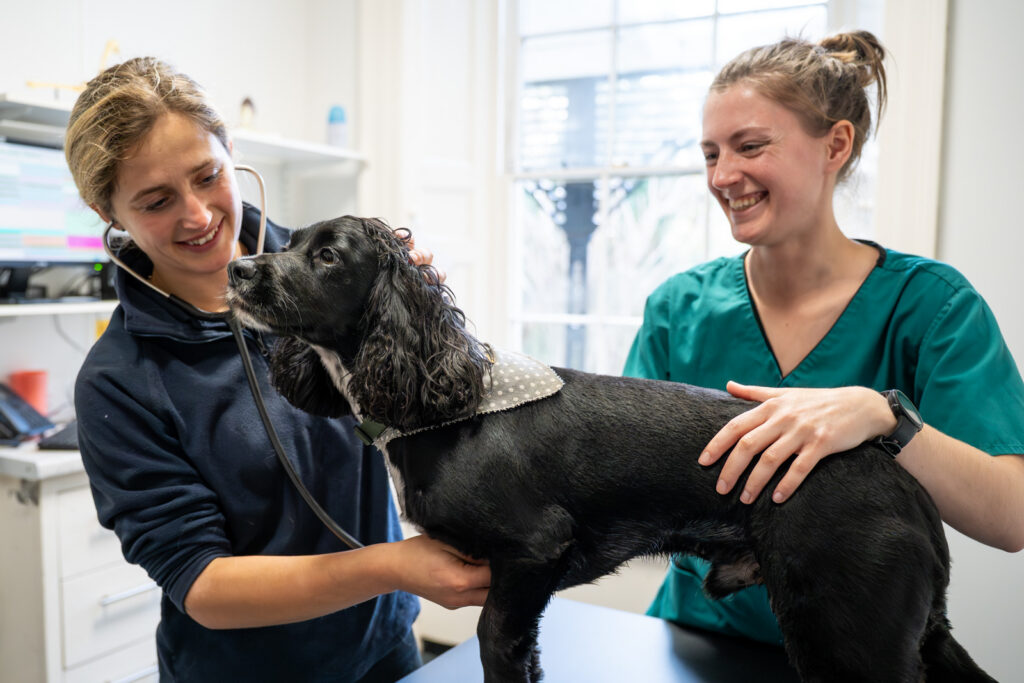
Our vets are trained in a range of operations, from routine neutering to more complicated soft tissue and orthopaedic surgeries.
Should your pet require a medical or surgical procedure to be carried out, we provide facilities that allow for high standards of care.
The theatre is equipped with modern equipment to measure blood pressure, oxygen levels and temperature, as well as capnography to closely monitor breathing during anaesthetics.
Before your surgical appointment
Most dogs and cats must be starved four to eight hours before their procedure, with their last meal being no later than midnight. Water can be left down until you bring them in. There are some conditions and procedures that require specific feeding advice. If this is the case, our team will discuss these with you at the time of making your appointment.
Dogs should be taken for a walk to go to the toilet before being admitted, unless otherwise instructed by your vet.
Wherever possible, we advise keeping your cat indoors the night prior to their operation to ensure they have an empty stomach.
Rabbits, guinea pigs and other small pets such as hamsters, should not be starved, and should have access to food and water up until they are admitted. We would also recommend you bring some of their usual food with them on the day of their procedure, to aid in their recovery.
Post-operative care
Always follow your vet’s advice. They will give you specific advice tailored to your pet’s individual circumstances and the procedure they have had.
After an operation, our nursing team will phone you to arrange a discharge appointment with your vet or vet nurse, where you will discuss how to care for your pet after anaesthetic.
It is advisable to keep cats indoors and to keep your dogs on their lead during walks until fully recovered.
For further support and guidance, please contact our team.